The P.E.A.C.E Framework
My work is guided by the P.E.A.C.E. Framework, a model for evaluating and strengthening environments that serve diverse learners and participants. This framework helps organizations move beyond reactive solutions and toward proactive systems that support both individuals and the teams who serve them.
P – Presence
E – Equity
Psychological safety and predictable environments
A – Agency
C – Community
E – Empowerment
Presence focuses on creating environments where individuals feel emotionally safe, respected, and supported. When expectations are clear and routines are predictable, individuals are better able to regulate, participate, and learn.
Through this component, organizations learn how to:
• establish consistent routines and expectations
• create calm, predictable environments
• respond to challenges with supportive strategies
• build trust between staff and participants
Presence lays the foundation for every other part of the framework.
Equity ensures that environments are designed to support diverse sensory and learning needs. This includes recognizing how lighting, noise, transitions, and visual information affect regulation and engagement.
Through this component, organizations learn how to:
• identify sensory barriers in their environment
• reduce overstimulation and environmental stress
• implement visual and structural supports
• create spaces that promote focus and accessibility
Equity shifts the focus from changing people to improving environments.
Sensory-Aware & Accessible Environments
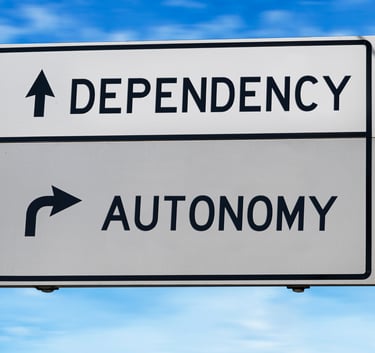
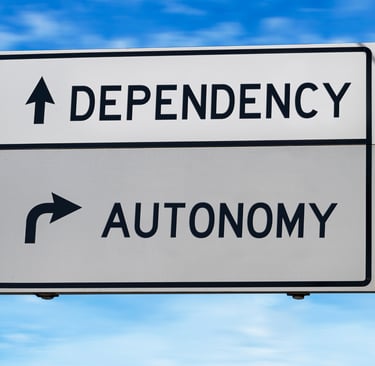
Agency centers on giving individuals opportunities to express needs, make choices, and participate in ways that support their strengths. When people feel heard and capable, engagement increases and frustration decreases.
Through this component, organizations learn how to:
• provide structured choices and flexibility
• encourage self-advocacy and independence
• recognize individual strengths
• create opportunities for meaningful participation
Agency builds confidence and ownership.
Community focuses on building supportive relationships and shared responsibility. Strong relationships create environments where individuals feel connected and supported, especially during moments of stress or challenge.
Through this component, organizations learn how to:
• strengthen communication between team members
• respond to dysregulation collaboratively
• build a culture of support and belonging
• create systems that encourage teamwork
Community transforms environments from reactive to relational.
Empowerment focuses on creating systems that continue to work over time. It ensures that staff have the knowledge, tools, and confidence needed to support individuals consistently.
Through this component, organizations learn how to:
• build sustainable routines and supports
• provide practical training and guidance
• reduce staff stress and burnout
• maintain consistent expectations across environments
Empowerment ensures that progress is not temporary—it becomes part of the system.
Voice, Choice, and Meaningful Participation
Relationships, Support, and Co-Regulation
Sustainable Systems That Support Long-Term Success


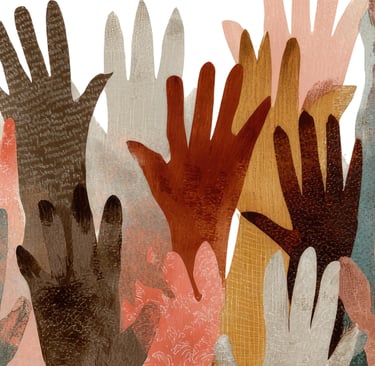
I help build environments where every neurodivergent individual thrives.
P.E.A.C.E. Systems Assessment
A structured evaluation of your environment using observation, staff surveys, and leadership consultation to identify strengths and barriers.
Audit Report & Environmental Sensory Support Plan (ESSP)
The Environmental Sensory Support Plan translates assessment findings into clear, actionable environmental supports designed to promote regulation, accessibility, and sustainable participation across daily routines.


Implementation Support
Coaching and follow-up guidance to help teams implement and sustain meaningful changes.
How I Help
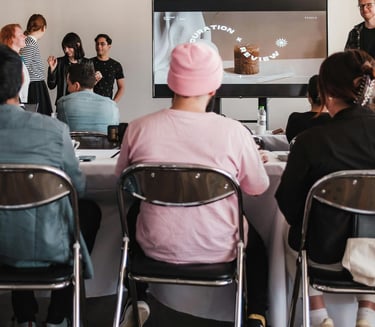
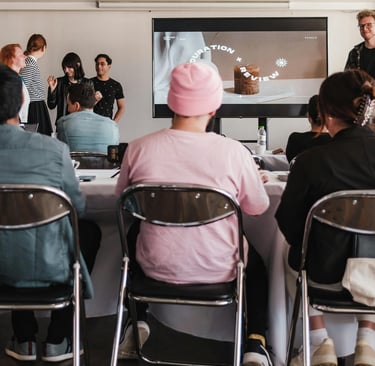
Training & Workshops
Practical training sessions that help teams understand neurodiversity, sensory needs, and inclusive environments.






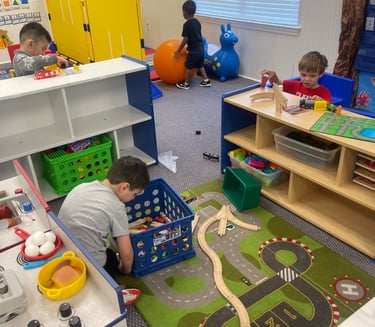
My work supports environments that serve diverse learners and participants, including:
Who I Work With
Schools and Educational Programs
Nonprofit Organizations and
Community Programs
Training Environments
Churches and Youth Ministries


Connect
"True inclusion requires a shared responsibility."
© 2026. All rights reserved.